Decorative Elements Enhances Visual Communication
When crafting content for any medium, the right visual tools can transform a simple message into something memorable. Decorative Elements is a versatile font that blends utility with creativity, offering a unique way to enhance text without sacrificing readability. It's not just about aesthetics—it's about adding value through thoughtful design choices.
The Power of Visual Storytelling
In today’s fast-paced digital world, capturing attention quickly is essential. Decorative Elements serves as a subtle yet effective tool for visual storytelling. Its use of small symbols and pictograms allows writers to convey meaning beyond words, making content more engaging and easier to digest.
Whether you're designing a marketing campaign, creating educational materials, or personalizing a greeting card, this font helps break up text and guide the reader’s eye naturally. It adds personality and depth, turning plain text into a visually rich experience.
Key Characteristics of Decorative Elements
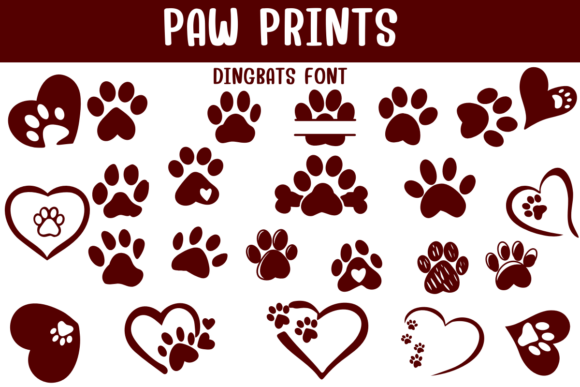
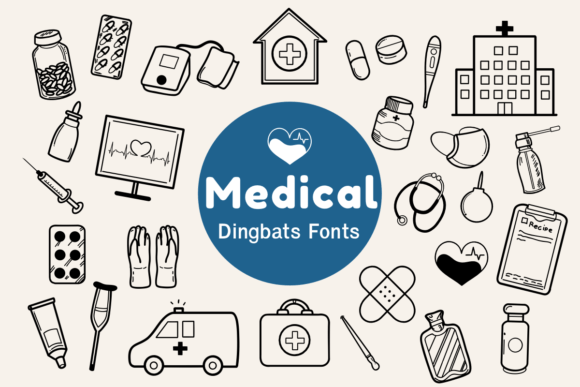
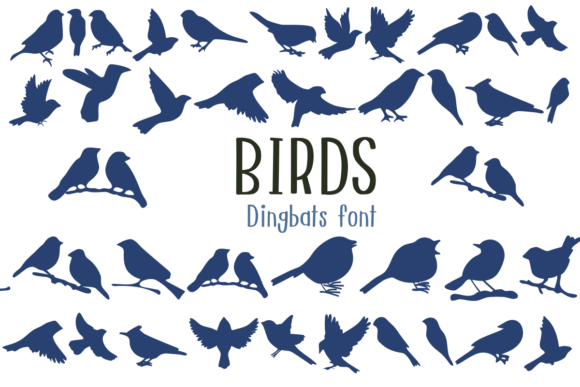
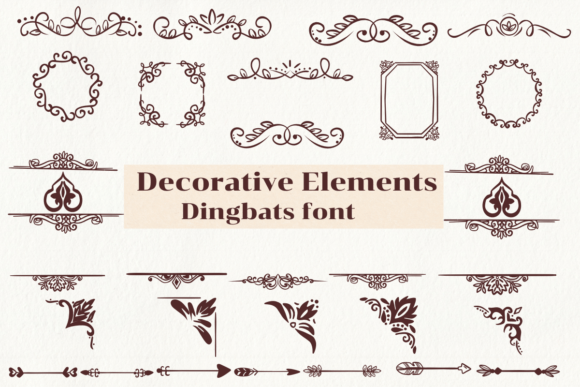
At its core, Decorative Elements is a dingbat font—meaning it consists of small decorative symbols rather than letters. These symbols are carefully designed to complement text without overpowering it. The font offers a wide range of icons, from geometric shapes to thematic motifs, ensuring there's something for every purpose.
- Customizable: Choose from various styles and themes to match your project’s tone.
- Scalable: Works well in both print and digital formats, maintaining clarity at different sizes.
- Adaptable: Integrates seamlessly with other fonts, enhancing overall design cohesion.
- Accessible: Designed with usability in mind, ensuring it remains legible even when used sparingly.
Practical Applications Across Industries
Decorative Elements isn't limited to one use case—it's a tool that can be applied across multiple domains. Let's explore how it can be leveraged effectively in different contexts.
Personal Use: Adding Personality to Everyday Writing
For individuals, Decorative Elements can bring a touch of flair to personal projects. From social media posts to handwritten notes, it adds a visual element that reflects individuality. A simple message becomes more expressive, allowing the sender to communicate emotion and intent more clearly.
Consider using it in invitations, thank-you cards, or even journal entries. The font's playful nature makes it ideal for creative expression without overwhelming the reader.
Professional Use: Enhancing Branding and Communication
Professionals who rely on written communication will find Decorative Elements invaluable. In branding, it can help reinforce a company's identity by adding visual consistency across all materials. For instance, a marketing team might use it in email signatures or promotional graphics to create a cohesive brand image.
It also enhances user experience by making information more digestible. In reports, presentations, or infographics, the font can be used to highlight key points or separate sections, improving readability and engagement.
Educational Use: Making Learning More Engaging
Teachers and educators can benefit greatly from incorporating Decorative Elements into their lesson plans. The font can be used to illustrate concepts, add visual interest to worksheets, or break up dense text in textbooks.
For younger audiences, it can make learning more interactive and enjoyable. In subjects like science or history, the font can be used to represent elements, timelines, or diagrams, helping students visualize abstract ideas more easily.
Choosing the Right Decorative Elements Font
Not all dingbat fonts are created equal. When selecting a Decorative Elements font, consider the following factors:
- Purpose: Does the font align with the intended message or design?
- Readability: Is it easy to read in context, especially when used alongside other text?
- Compatibility: Will it work across different platforms and file types?
- License: Is it free to use, or does it require a subscription or purchase?
- Customization: Can it be modified to fit specific needs or branding requirements?
By carefully evaluating these aspects, you can ensure that the Decorative Elements font you choose enhances rather than detracts from your content.
Real-World Examples and Recommendations
Let’s look at some real-world applications where Decorative Elements has made a difference:
- Marketing Brochures: A local business used Decorative Elements to highlight product features, making the brochure more engaging and informative.
- Online Courses: An e-learning platform incorporated the font into course outlines, helping students navigate content more efficiently.
- Blog Posts: A lifestyle blogger used the font to emphasize key takeaways, increasing reader retention and interaction.
- Event Invitations: A wedding planner used Decorative Elements to add a personal touch to digital invites, resulting in higher response rates.
These examples show how the font can be adapted to suit different needs while maintaining its core function: to enhance visual communication without compromising clarity.
Conclusion
Decorative Elements is more than just a font—it's a tool that bridges the gap between text and design. By understanding its characteristics, applications, and best practices, you can unlock new ways to communicate effectively and creatively. Whether you're a professional, educator, or hobbyist, integrating this font into your workflow can elevate your content and make it stand out in a crowded digital landscape.