Baskerville: A Timeless Font That Elevates Your Design
Baskerville is more than just a font—it's a design statement. This classic typeface, originally created in the 18th century by John Baskerville, has endured the test of time and continues to be a favorite among designers, writers, and creatives across various industries. Whether you're crafting a magazine headline, designing a t-shirt, or creating social media content, Baskerville offers a unique blend of elegance, readability, and versatility that makes it stand out in a crowded digital landscape.
The Legacy of Baskerville
Before diving into how Baskerville can enhance your creative projects, it's worth understanding its historical significance. First introduced in 1757, Baskerville was designed during a period of great innovation in typography. It was one of the first fonts to incorporate a modern serif style, characterized by its clean lines, subtle contrast, and balanced proportions. The font was intended to improve legibility and readability, which was a major breakthrough at the time.
Today, Baskerville is still revered for its ability to convey sophistication and professionalism. Its design elements—such as the slightly slanted serifs and open letterforms—make it not only visually appealing but also highly functional for both print and digital use.
Why Baskerville Stands Out
One of the reasons Baskerville remains popular is its exceptional legibility. Unlike some fonts that can feel cramped or difficult to read at smaller sizes, Baskerville maintains clarity even when scaled down. This makes it an excellent choice for body text, especially in contexts where readability is key, such as long-form articles or instructional materials.
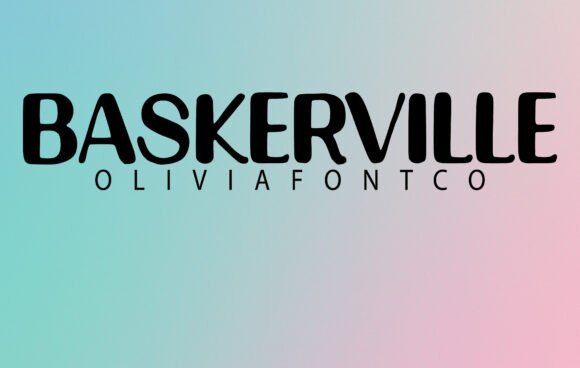
Additionally, Baskerville looks stunning as a title font. Its bold, elegant structure adds a touch of refinement to headlines, making them stand out without being overwhelming. Whether you're working on a wedding invitation, a branding project, or a social media post, Baskerville can elevate the visual impact of your message.
Another advantage of Baskerville is its adaptability. It works well in a variety of formats and mediums, from printed materials to digital platforms. This versatility means you can use it consistently across different projects without worrying about inconsistencies in style or tone.
Practical Applications of Baskerville
Let’s explore some real-world scenarios where Baskerville shines:
- Magazine Headlines: Baskerville's refined appearance makes it ideal for editorial content. It adds a sense of authority and professionalism to magazine titles, drawing readers in with its timeless appeal.
- T-Shirts and Apparel: When designing clothing, Baskerville's clean lines and strong character make it perfect for logos, taglines, and embroidered text. It's a great choice for both casual and formal wear.
- Social Media: In the fast-paced world of social media, where attention spans are short, using Baskerville in posts, banners, or profile headers can help your content stand out. Its legibility ensures that your message is clear and easy to read.
- Branding: Baskerville is often used in corporate branding due to its association with quality and trust. It can be incorporated into logos, websites, and marketing materials to create a cohesive and professional brand identity.
- Wedding Invitations and Cards: For personal projects like wedding invitations, Baskerville brings a touch of elegance and tradition. It's a font that feels both classic and contemporary, making it suitable for a wide range of event designs.
These examples demonstrate how Baskerville can be applied across multiple industries and purposes. Its ability to balance form and function makes it a reliable choice for any designer looking to make a lasting impression.
Choosing Baskerville: Key Considerations
Before adopting Baskerville for your next project, there are several factors to consider:
1. Readability: While Baskerville is known for its readability, it's important to test it in different contexts. Ensure that it works well in both large and small sizes, and check how it appears on various devices and screen resolutions.
2. Style Compatibility: Baskerville has a traditional, classic feel. If your design leans more towards modern or minimalist aesthetics, you may want to pair it with complementary fonts to maintain visual harmony.
3. Licensing and Availability: Always verify the licensing terms of the font you're using. Some versions of Baskerville may require a subscription or purchase, especially if you're using it commercially. Be sure to choose a version that aligns with your project's needs and budget.
4. Color and Background: Baskerville performs best against light or neutral backgrounds. Avoid using it on dark or busy backgrounds, as this can reduce its legibility and visual impact.
By considering these factors, you can ensure that Baskerville is used effectively and efficiently in your design workflow.
How to Integrate Baskerville Into Your Workflow
Integrating Baskerville into your design process doesn't have to be complicated. Here are a few practical tips to help you get started:
- Start with a Clear Purpose: Determine what you want to achieve with Baskerville. Is it for branding, advertising, or personal projects? Knowing your goal will help you select the right variant and application.
- Use It Strategically: Don't use Baskerville for every element of your design. Save it for headings, titles, and key messages to maintain visual hierarchy and focus.
- Experiment with Pairings: Baskerville pairs well with sans-serif fonts like Helvetica or Arial for a modern twist. Experiment with different combinations to find the perfect balance for your project.
- Test Across Platforms: Before finalizing your design, test how Baskerville looks on different devices and platforms. This ensures consistency and optimal performance in all environments.
- Stay Updated: Keep an eye on new developments in typography and font technology. New variations of Baskerville may offer enhanced features or improved compatibility with modern design tools.
By following these steps, you can seamlessly incorporate Baskerville into your design workflow and take full advantage of its unique qualities.
Conclusion
Baskerville is more than just a font—it's a powerful tool that can elevate your creative work in countless ways. From its historical roots to its modern applications, Baskerville continues to be a favorite among designers and creators. Whether you're working on a magazine headline, a t-shirt design, or a social media campaign, this font has the potential to bring your ideas to life with elegance, clarity, and impact.