Antique Atlas: A Timeless Typographic Masterpiece
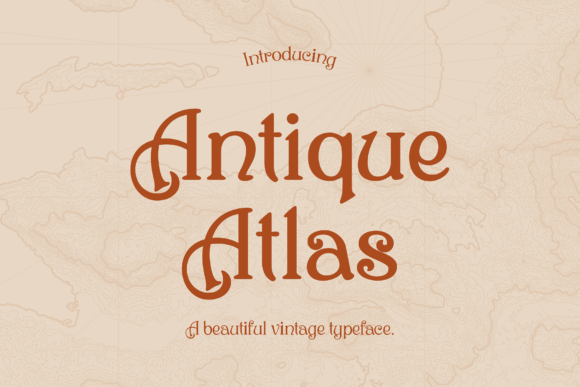
In the ever-evolving world of typography, few fonts manage to capture both the soul of a bygone era and the precision of modern design. Antique Atlas, a vintage typeface, stands out as a true masterpiece that effortlessly bridges the gap between nostalgia and functionality. With its elegant curves, meticulous detailing, and timeless appeal, Antique Atlas is more than just a font—it's an experience. Whether you're designing a book cover, crafting an invitation, or building a brand identity, this typeface offers a unique blend of character and clarity that can elevate any project.
The Aesthetic Appeal of Antique Atlas
At first glance, Antique Atlas exudes a sense of refinement and sophistication. Its design draws inspiration from classic serif fonts, yet it introduces subtle variations that give it a distinct personality. The clean lines and beautifully crafted characters are not only visually striking but also highly readable, making it suitable for both large headlines and body text. This balance between decorative flair and practicality is what sets Antique Atlas apart in the crowded typography landscape.
One of the most notable aspects of Antique Atlas is its ability to evoke a sense of history without feeling outdated. The font’s design elements—such as its slightly slanted serifs and carefully proportioned letterforms—suggest a time when typography was an art form in itself. This nostalgic charm makes Antique Atlas particularly appealing for projects that aim to convey a sense of tradition, elegance, or heritage.
Where to Use Antique Atlas Effectively
While Antique Atlas may seem like a niche choice, its versatility allows it to be used in a wide range of applications. From branding and packaging to editorial design and web content, this font can adapt to various contexts with ease.
- Book Covers: Antique Atlas is often used on classic and literary book covers due to its refined appearance and strong visual impact. It adds a touch of sophistication that complements the content without overshadowing it.
- Invitations and Stationery: For weddings, events, or formal correspondence, Antique Atlas brings a sense of elegance and professionalism. Its ornate details make it ideal for creating visually appealing designs that reflect the occasion.
- Logos and Branding: Many businesses use Antique Atlas to create logos that reflect a vintage or artisanal aesthetic. It works particularly well for brands in the fashion, lifestyle, or luxury sectors.
- Web Design: While not the most common choice for web content, Antique Atlas can be used effectively in headings, titles, or call-to-action buttons to add a distinctive visual element to a website.
Its adaptability means that Antique Atlas can be used in both print and digital formats. However, it's important to consider the context in which it will be used. For instance, while it excels in headlines and display text, it may not be the best choice for long-form content where readability is paramount.
Why Choose Antique Atlas Over Other Vintage Fonts?
There are many vintage typefaces available, each with its own unique characteristics. But Antique Atlas distinguishes itself through several key qualities:
- Readability: Despite its ornate design, Antique Atlas maintains excellent legibility. This makes it a practical choice for both print and digital media.
- Consistency: The font features consistent spacing and alignment across all characters, ensuring a clean and professional look.
- Adaptability: As mentioned earlier, Antique Atlas can be used in a variety of settings, from formal invitations to modern branding campaigns.
- Aesthetic Versatility: Whether you're looking for a classic, elegant feel or something more contemporary, Antique Atlas offers a range of styles within its design.
These qualities make Antique Atlas a reliable and versatile option for designers who want to incorporate a touch of vintage charm into their work without sacrificing quality or functionality.
Considerations When Using Antique Atlas
While Antique Atlas is a remarkable font, it's important to be aware of some considerations before incorporating it into your design projects:
- File Size: Antique Atlas may have a larger file size compared to simpler sans-serif fonts, which could affect performance on websites or in digital applications.
- Compatibility: Ensure that the font is compatible with the software or platform you're using. Some older programs may not support newer typefaces.
- Contrast: When using Antique Atlas, it's crucial to pair it with appropriate background colors and other text elements to maintain readability and visual harmony.
- Usage Context: While Antique Atlas is highly versatile, it's best suited for specific applications. Avoid using it for long blocks of text unless you're certain about the reader's expectations and the design's purpose.
By keeping these factors in mind, you can ensure that Antique Atlas enhances your design rather than detracts from it.
Antique Atlas in the Modern Design Landscape
Despite its vintage roots, Antique Atlas has found a place in the modern design world. Its ability to blend historical aesthetics with contemporary needs makes it a valuable asset for designers who appreciate both tradition and innovation.
Many designers use Antique Atlas to create a sense of uniqueness in their work. Whether it's for a logo, a poster, or a website, the font adds a distinctive visual element that can set a project apart. Its popularity among creatives in fields such as graphic design, branding, and editorial publishing speaks to its enduring appeal.
Moreover, the rise of digital typography tools has made it easier than ever to access and use Antique Atlas. Designers can now easily integrate the font into their workflows, whether they're working on print materials, web content, or multimedia projects.
Conclusion
Antique Atlas is more than just a font—it's a statement. With its elegant design, practical application, and timeless appeal, it offers a unique combination of style and functionality that is hard to match. Whether you're a designer, a business owner, or simply someone who appreciates the beauty of typography, Antique Atlas is worth exploring.
Its versatility, readability, and aesthetic charm make it an excellent choice for a wide range of design projects. By understanding its strengths and limitations, you can harness the full potential of Antique Atlas and create designs that are both visually stunning and functionally effective.